
The most popular plastic surgery in Korea
Korea keeps no official count of cosmetic surgery. Two counts do exist, one from patients and one from surgeons. They agree on what comes first, and on little after that.
Cosmetic surgery in Korea is paid for privately, outside the national health insurance, so it never passes through the records that count the rest of Korean medicine. In 2013 the National Evidence-based Healthcare Collaborating Agency, a government-funded research body, said that the kinds and numbers of cosmetic operations could not be established from public data, and that no authoritative statistical survey had been done. We have not found one since.
Two counts come closest, and this page sets them side by side. The Korea Consumer Agency asked 1,000 people who had had cosmetic surgery or treatment which operations they had had. The International Society of Aesthetic Plastic Surgery (ISAPS) asks surgeons how many operations they performed and scales the answers up to an estimate for each country. Its 2025 report, published on 29 September 2026, gives procedure figures for South Korea, which the 2024 edition did not.
The order below follows the patient survey. It is twelve years old, but it asked patients directly, while the ISAPS figures for Korea appear to rest on very few surgeons’ answers, for reasons set out below. The survey reported five kinds of operation. Brow and face lifts and liposuction were not among them, so they come last, in the order ISAPS gives them.
-
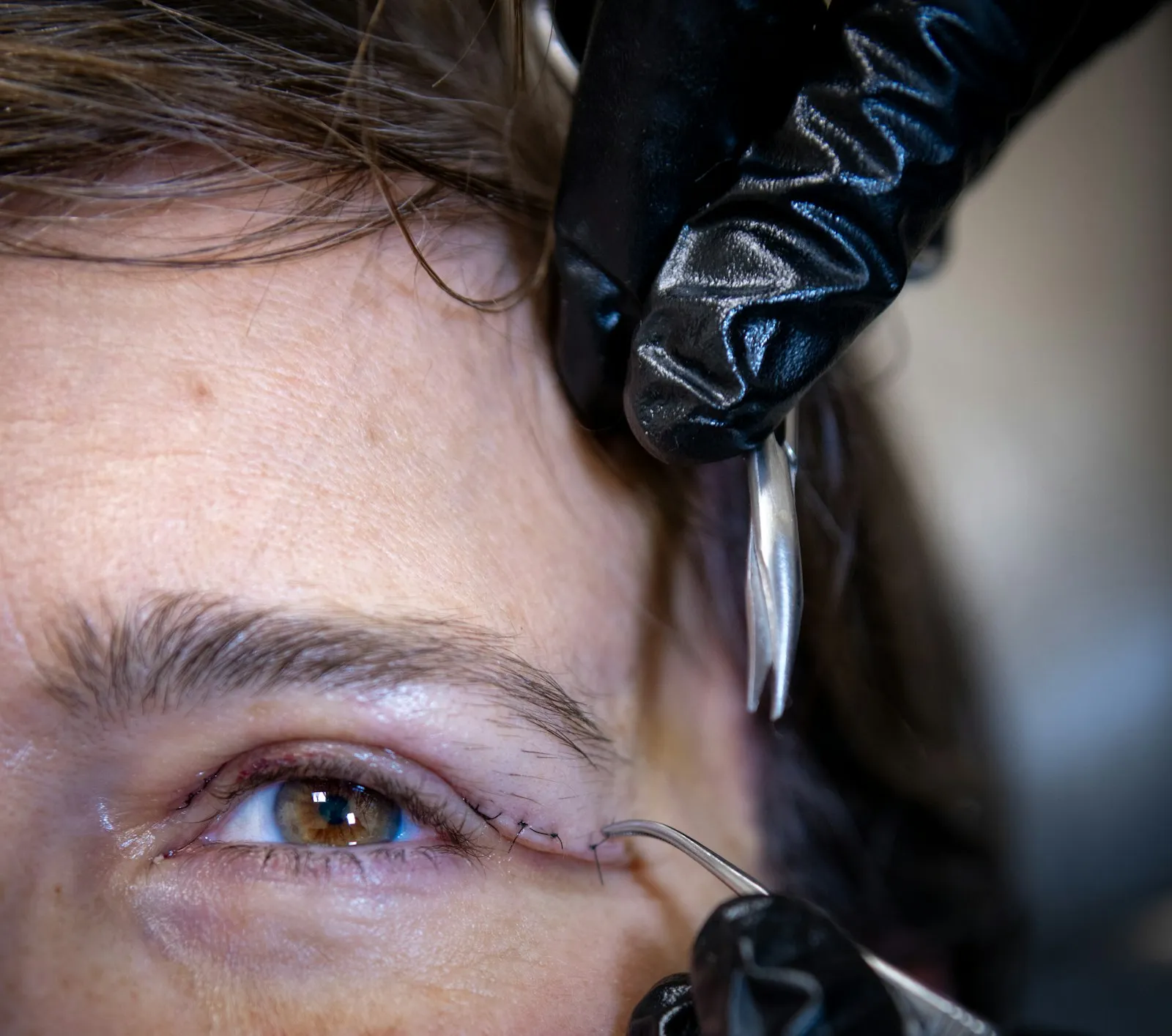
Days after eyelid surgery, Utah. Photograph by Judy Beth Morris / Unsplash Double eyelid surgery
쌍꺼풀 수술
- Patients surveyed who had it, 2014
- 67.8%
- Operations in 2025, ISAPS estimate
- 203,018
First in both counts, and by a distance. Two in three of the survey’s respondents had had eye surgery, and ISAPS puts eyelid surgery at about a quarter of all cosmetic operations in Korea. Neither figure is double eyelids alone: the survey’s category was “eye surgery, such as double eyelid”, and ISAPS counts every kind of eyelid operation.
Full article: Double eyelid surgery in Korea: methods, cost and recovery
-
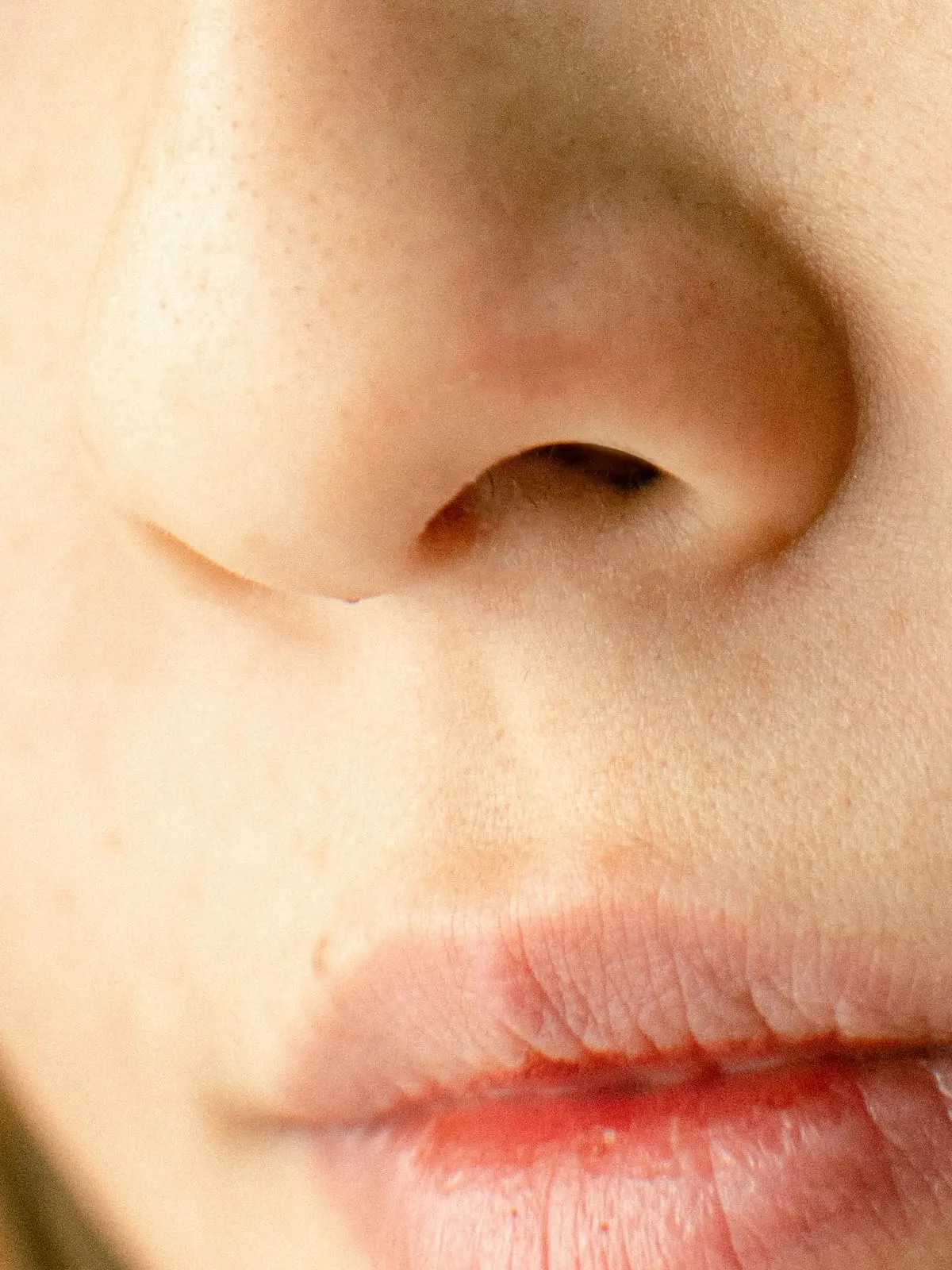
A nose in close-up. Posed by a model. Photograph by Chandra Oh / Unsplash Rhinoplasty
코 성형
- Patients surveyed who had it, 2014
- 25.6%
- Operations in 2025, ISAPS estimate
- 74,974
Second among patients, but fourth in the ISAPS estimate, behind fat grafting and brow lifts. It comes second among Koreans considering surgery, too: in Gallup Korea’s 2020 survey, 51 per cent of the 178 adults who had considered surgery but not had it named their eyes, and 29 per cent their nose.
Full article: Rhinoplasty in Korea: what it costs and what to ask first
-
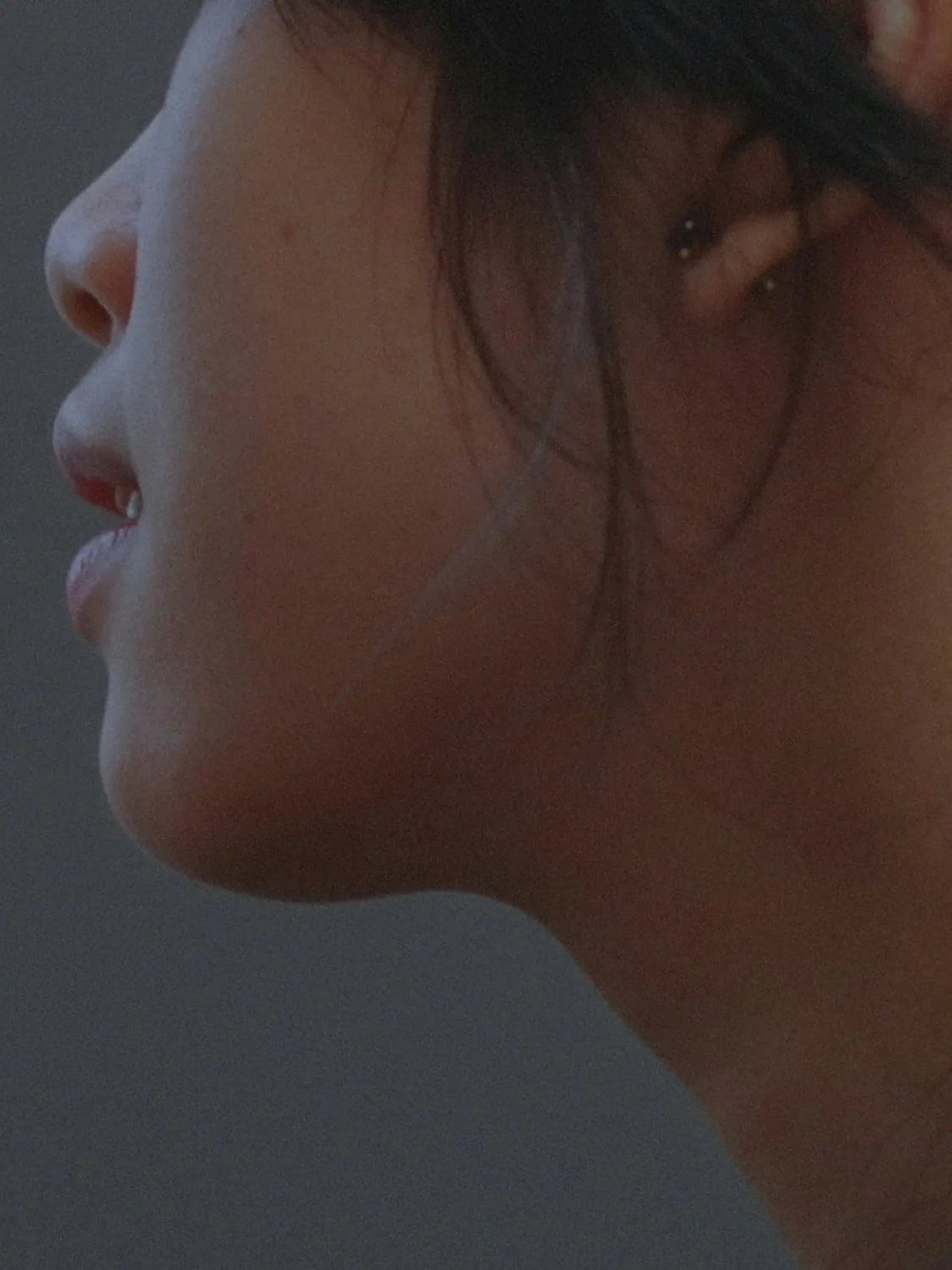
A jaw in profile. Posed by a model. Photograph by hybridnighthawk / Unsplash Facial contouring and jaw surgery
안면윤곽, 양악 수술
- Patients surveyed who had it, 2014
- 11.0%
- Operations in 2025, ISAPS estimate
- 12,355
The two counts disagree most here. The survey’s category, “face surgery, such as facial contouring and double-jaw surgery”, came third; ISAPS counts facial bone contouring alone, at 12,355 operations, the fewest of anything on this page. Part of the gap may be who is asked: ISAPS surveys plastic surgeons, and in Korea facial bone surgery is also done by oral and maxillofacial surgeons.
Full article: Facial contouring surgery in Korea: what V-line means
-

Cheek and jaw. Posed by a model. Photograph by Sou Jest / Unsplash Fat grafting
지방 이식
- Patients surveyed who had it, 2014
- 5.9%
- Operations in 2025, ISAPS estimate
- 96,595 to the face
Fourth among patients, and second only to eyelids in the ISAPS estimate. The two are not measuring quite the same thing: the survey’s category was “fat grafting and injection”, with no part of the body named, while ISAPS counts fat grafted to the face.
-
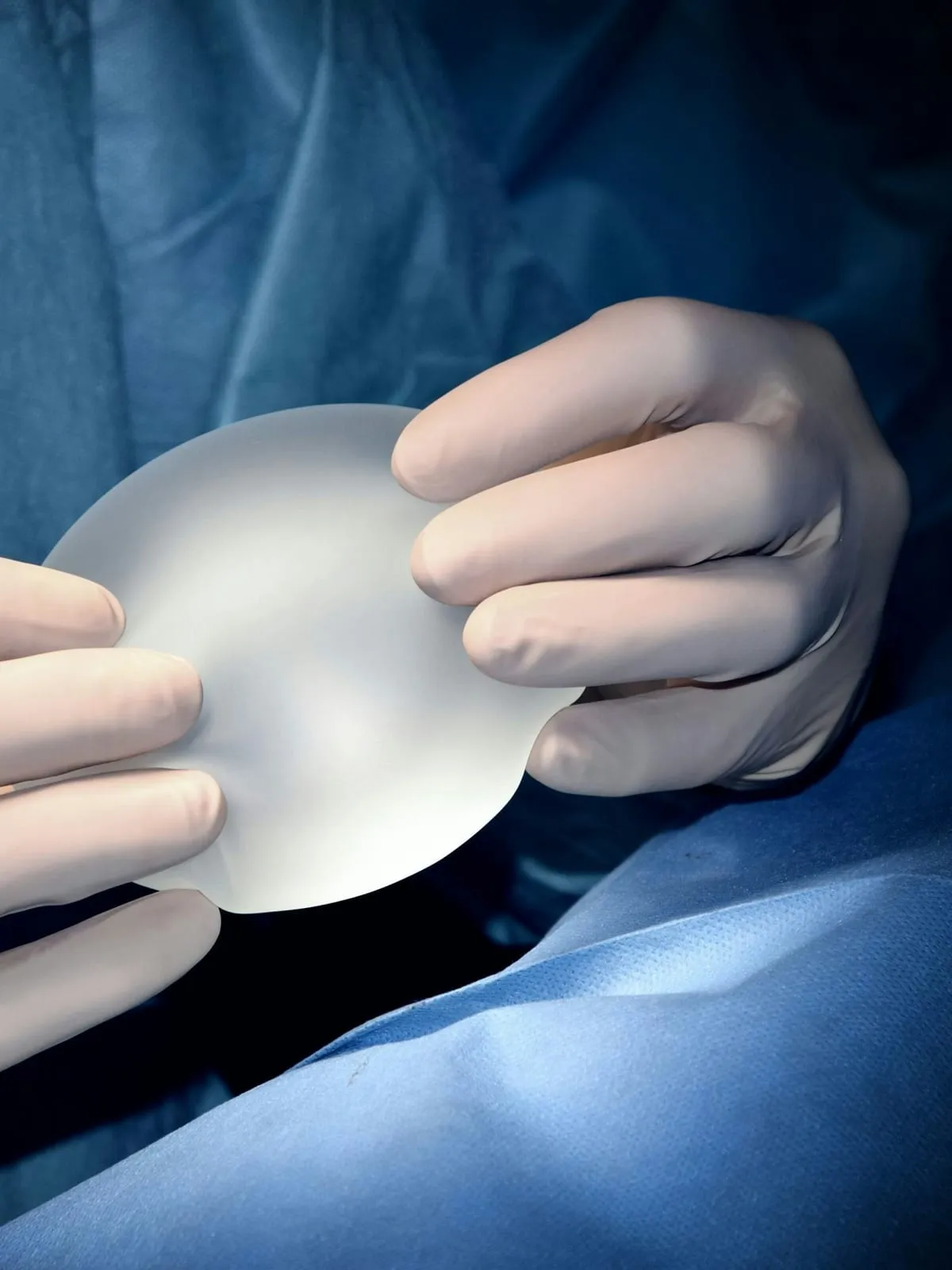
A breast implant, Annecy. Photograph by philippe spitalier / Unsplash Breast augmentation
가슴 성형
- Patients surveyed who had it, 2014
- 2.3%
- Operations in 2025, ISAPS estimate
- 44,366
Last of the five operations the survey reported: 23 of its 1,000 respondents had had breast surgery of any kind, not only augmentation. ISAPS puts breast augmentation seventh in Korea; worldwide it is third, after eyelid surgery and liposuction.
-
A face roller. Photograph by SUN STUDIO CREATIVE / Unsplash Brow and face lifts
이마 거상, 안면 거상
- Patients surveyed who had it, 2014
- Not reported
- Operations in 2025, ISAPS estimate
- 77,782 brow lifts
- 46,613 face lifts
The survey reported no figure for lifts. In the ISAPS estimate the brow lift is Korea’s third most common operation, just ahead of rhinoplasty, and the face lift is sixth.
-

An arm. Posed by a model. Photograph by 莎莉 彭 / Unsplash Liposuction
지방 흡입
- Patients surveyed who had it, 2014
- Not reported
- Operations in 2025, ISAPS estimate
- 49,421
The survey reported no figure for liposuction; its fat category was grafting and injection, not removal. ISAPS puts liposuction fifth in Korea and second worldwide, after eyelid surgery.
What these numbers cannot tell you
The survey is twelve years old. The Consumer Agency questioned 1,000 people online between 22 and 30 October 2014, all of whom had had cosmetic surgery or a cosmetic procedure in the previous three years; 757 were women and 243 men. It gives a margin of error of ±3.1 points. Respondents could name more than one operation, which is why the shares add up to more than 100 per cent. We have not found a more recent survey that asked Korean patients which operations they had had.
The ISAPS figures are projected, not counted. ISAPS says its final figures “have been projected to reflect international statistics and are based exclusively on the estimated number of plastic surgeons actively practicing in each location and the respondent sample”. For Korea that number is 2,808. Divide any Korean figure in the 2025 report by 280.8, a tenth of 2,808, and the result is a whole number, allowing for rounding: the pattern you would expect if the answers of ten surgeons had been scaled up to the whole country. The report does not say how many Korean surgeons replied.
Neither counts the operations foreign patients have. The Consumer Agency surveyed consumers in Korea. ISAPS asked surgeons what percentage of their patients were “attending from other locations”: the Korean answers averaged 24 per cent, with a median of 10 per cent, and China, Japan and the United States were the origins named most often. It does not say which operations those patients had. The Ministry of Health and Welfare counts foreign patients by department rather than by operation: of 2.01 million in 2025, 62.9 per cent were treated in dermatology and 233,000, or 11.2 per cent, in plastic surgery.
Injections outnumber operations. ISAPS estimates 1,122,358 non-surgical procedures in Korea in 2025, against 844,085 operations; botulinum toxin alone accounts for 532,397 and hyaluronic acid filler for 374,026. In the Consumer Agency’s survey, 27.4 per cent had had a “procedure that does not cut the skin, such as filler or Botox”, the second most common answer after eye surgery. This page ranks operations only.
Common questions
- What is the most popular plastic surgery in Korea?
- Eyelid surgery, including double eyelid surgery. It came first in the Korea Consumer Agency’s 2014 survey, in which 67.8% of 1,000 patients had had eye surgery, and first in the ISAPS estimate for 2025, at 203,018 operations, about a quarter of the Korean total. After that the counts disagree: the survey puts the nose second, while ISAPS puts fat grafting to the face second and rhinoplasty fourth.
- Is there an official count of plastic surgery in Korea?
- No. Cosmetic surgery is paid for privately, outside the national health insurance, so it does not appear in the public records that count other treatment. The National Evidence-based Healthcare Collaborating Agency said in 2013 that no authoritative statistical survey had been done, and we have not found one since. The figures that circulate come from patient surveys, such as the Korea Consumer Agency’s in 2014, and from the ISAPS global survey, which scales up surgeons’ answers.
- What plastic surgery do foreigners get in Korea?
- We have not found a published count by operation. The Ministry of Health and Welfare counts foreign patients by department: of 2.01 million in 2025, 62.9% were treated in dermatology and 233,000, or 11.2%, in plastic surgery. Korean surgeons answering the ISAPS survey said on average 24% of their patients came from other countries, most often China, Japan and the United States, but ISAPS does not say which operations those patients had.
Sources
- One in three consumers dissatisfied after cosmetic surgery (소비자 3명 중 1명 성형수술 후 불만족 경험). Korea Consumer Agency. Read 29 Sept 2026.
- ISAPS International Survey on Aesthetic/Cosmetic Procedures Performed in 2025. International Society of Aesthetic Plastic Surgery. Read 29 Sept 2026.
- Assessing cosmetic surgery in Korea and developing a guide for patients (미용성형시술의 현황 파악과 이용자 정보집 개발). National Evidence-based Healthcare Collaborating Agency. Read 29 Sept 2026.
- Foreign patients pass two million in 2025 (2025년 외국인 환자 유치 200만 돌파 아시아 의료관광 ‘중심국가’ 도약). Ministry of Health and Welfare. Read 29 Sept 2026.
- Perceptions of appearance and cosmetic surgery, 2004/2014/2015/2020 (Gallup Report G20200409). Gallup Korea. Read 29 Sept 2026.