Plastic surgery in Korea: a guide for patients from abroad
What the Korean system actually is, what the law gives you as a patient, what nobody can tell you about the price in advance, and how a trip is usually shaped.
- 01
Planning How plastic surgery in Korea works, step by step
22 Sept 2026 - 02
Safety How to choose a plastic surgery clinic in Korea
21 Sept 2026 - 03
Planning How long to stay in Korea for plastic surgery
21 Sept 2026 - 04
Recovery Recovery after plastic surgery in Korea, week by week
21 Sept 2026 - 05
Culture Why plastic surgery is so popular in Korea: what the data shows
21 Sept 2026



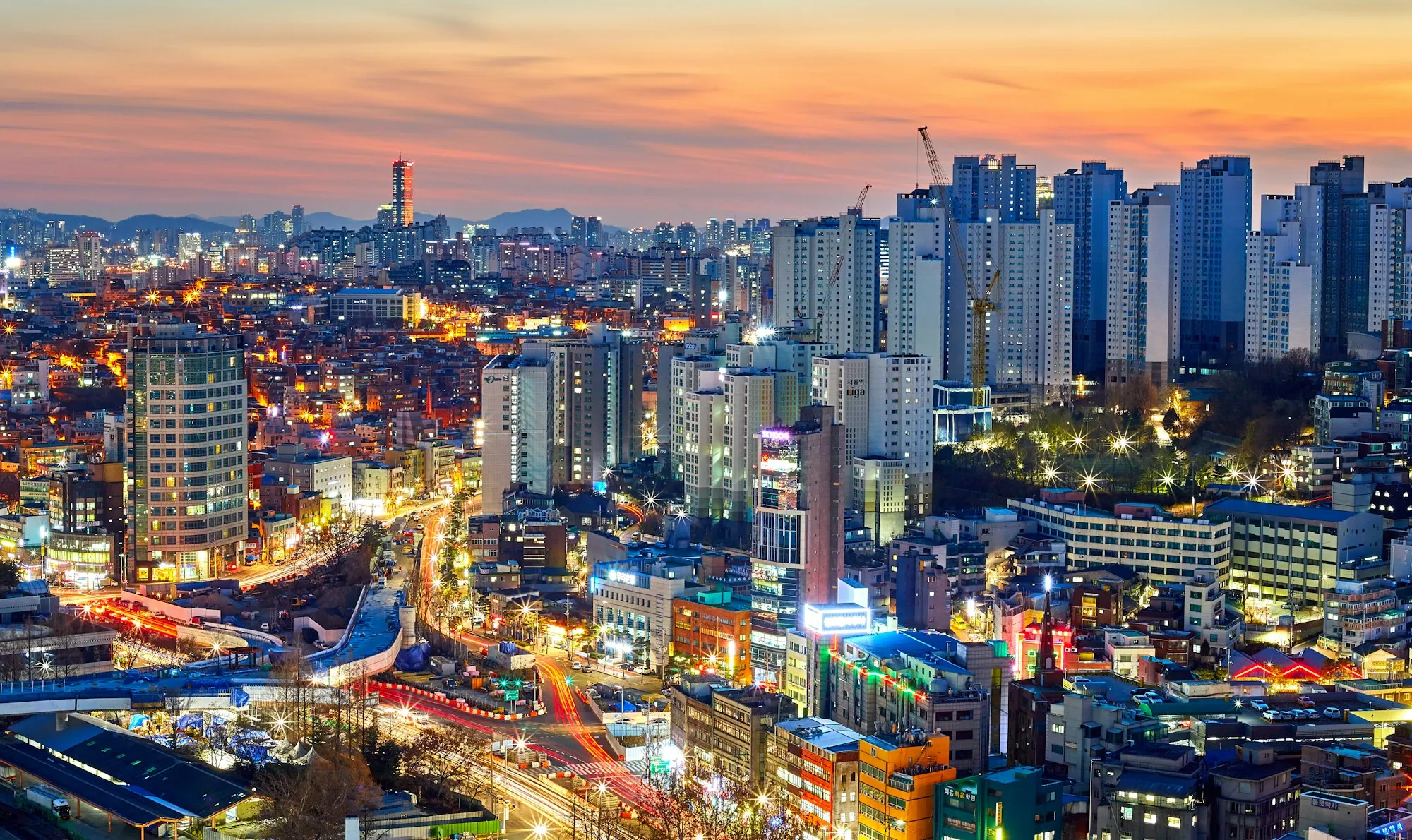
Photographs: Mathew Schwartz, Kelly Sikkema, 何青蓝, Kit, photographed by Henry Thong, Vika Wendish, slice / Unsplash
Korea treated 1,170,467 foreign patients in 2024. That is the Ministry of Health and Welfare’s own count, published in April 2025, and it is nearly double the 2023 figure. Plastic surgery was 11.4 per cent of it. Dermatology, at 56.6 per cent, was five times larger — most people who fly to Seoul for their face are not having an operation at all.
That number is the reason this guide exists. An industry of that size generates an enormous amount of English-language writing, almost all of it produced by someone with a booking to sell. This page is written by nobody with a booking to sell. It sets out what the system is, what the law gives you, and what you will have to work out for yourself.
What the Korean system actually is
Two words do a lot of work in Korea and neither survives translation intact.
A 의원 is a clinic: an outpatient institution, usually a single floor of a building, usually without beds for an overnight stay. A 병원 is a hospital, with inpatient capacity. Most cosmetic surgery in Seoul happens in the first kind. That is not in itself a problem — most cosmetic surgery anywhere happens in outpatient settings — but it decides what happens if you need to be watched overnight, and it is worth knowing which kind of building you are booking into before the day you arrive.
The second thing that does not translate is who is allowed to operate. In Korea, as in most countries, any doctor with a medical licence may legally perform cosmetic procedures. 전문의 (jeonmunui) means a board-certified specialist: for plastic surgery, a residency of six years or more followed by board examinations, recorded by the Korean Society of Plastic and Reconstructive Surgeons. A doctor who is not a 전문의 in plastic surgery is not practising illegally by operating on your nose. They are simply not a plastic surgeon. The distinction is invisible on a website and visible on a licence.
Ask for the full Korean name of the doctor who will perform the operation, in writing, and check that name against the specialist register. A clinic that answers this in a sentence is telling you one thing. A clinic that answers it with a paragraph about its team is telling you another.
What Korean law gives you that most countries do not
Two provisions matter more to a foreign patient than anything in a brochure.
Operating-room cameras. Article 38-2 of the Medical Service Act was passed in 2021 with a two-year grace period and took effect on 25 September 2023. Medical institutions that operate on patients who are unconscious — which means anything under general anaesthesia — must have closed-circuit television in the operating room, and must record the operation if the patient or their guardian requests it. Footage has to be kept for at least thirty days. Leaking, damaging or falsifying it carries up to five years’ imprisonment or a fine of up to 50 million won.
The detail people miss is that recording is not automatic. You have to ask. The Health Ministry’s guidance also lets an institution decline to record in an emergency, or where recording is judged to interfere with the operation, with resident training, or with measures to save a life — exemptions that patient groups argue are loose enough to drive through. Ask early, get the answer in writing, and understand that the law gives you a right to request, not a guarantee of footage.
A registration system, and insurance behind it. Hospitals that set out to attract foreign patients, and the agencies that bring them, are required to register, and registration requires medical liability insurance. Registered institutions and registered facilitators are listed publicly through Medical Korea. An unregistered intermediary arranging your surgery is not a grey area; it is someone operating outside the scheme that exists to give you recourse.
If something does go wrong, the Korea Medical Dispute Mediation and Arbitration Agency handles medical disputes, is open to foreign nationals, aims to finish a case in about ninety days, and a mediation agreement it produces has the force of a court settlement. Its free consultation line is 1670-2545, weekdays, 09:00 to 18:00. Write that number down before you need it rather than after.
What it costs, and why nobody can tell you in advance
Cosmetic surgery is not covered by Korea’s national health insurance. It is 비급여 — non-covered care — which means each institution sets its own price and there is no schedule anyone is bound by.
Korea does publish more than most countries do. HIRA, the Health Insurance Review and Assessment Service, runs a public disclosure of non-covered prices searchable by institution, covering roughly six hundred designated items, and publishes annual statistics on them. It is in Korean, it lags behind price changes, and it will not contain the package a coordinator has quoted you. It is still the only price information about a named Korean clinic that the clinic did not write as advertising.
Every English-language “Korea price list” we have found is published by a clinic, an agency or an affiliate site. We do not reproduce those numbers, because a range with no source is not information. What we can tell you is what a quoted price usually leaves out:
| Often excluded from a headline price | Why it matters |
|---|---|
| Anaesthesia and the anaesthetist | Can be a separate line, and a separate doctor |
| The facility or hospital-day fee | Appears when you stay overnight |
| Post-operative care and dressings | Sometimes a package, sometimes per visit |
| Medication and prescriptions | Small, but rarely quoted |
| Follow-up visits after the first week | The visits you need most are the late ones |
| Revision surgery | The single largest number on the page, when it appears at all |
| VAT | Ask whether the figure includes it |
The practical method is dull and it works: get an itemised written quotation from three institutions, in a document rather than a chat message, and compare like for like. The gap between the first number you are told and the itemised one is where almost every dispute begins.
What plastic surgery costs in Korea goes through this in full.
The shape of a trip
A surgery trip is not a holiday with an appointment in it. The rhythm is roughly this: arrive, consult in person — not by message — with the surgeon who will operate, allow a day between consultation and operation if you possibly can, then stay long enough for stitches to come out and for the first follow-up to happen.
How long that takes depends on the operation, and the honest answer is that flying home is a decision for your surgeon rather than a number you can look up. Book the outbound leg and the accommodation; leave the return open or changeable. How long to stay in Korea for plastic surgery sets out the ranges and the reasons.
The part almost nobody plans for is the fortnight after the flight home, when you are swollen, eight time zones from the clinic, and trying to decide whether what you are looking at is normal. Recovery after plastic surgery in Korea is about that fortnight.
What this site will not do
We do not name a best clinic or a best surgeon, and we never will. We have no clinic partners, take no referral fees, and run no sponsored posts — partly because recommending clinics for a fee would make us a patient broker under Korean law, and mostly because a ranking you can buy is worth nothing to the person reading it.
What we can give you instead is the list of checks that a clinic’s marketing cannot answer for you. That is how to choose a plastic surgery clinic in Korea, and the short version of it fits on one page you can take into a consultation.
Start here
If you are early in this, read why plastic surgery is so common in Korea before you read another price list. The market you are about to enter was shaped by particular conditions, and knowing what they are makes the advertising much easier to read.
Sources
- Medical tourism in 2024 attracts record 1.17M int'l patients. Korea.net, Ministry of Health and Welfare. Read 21 Sept 2026.
- Patients, doctors at loggerheads as operating room CCTV footage made mandatory. The Korea Times. Read 21 Sept 2026.
- Medical Service Act (English translation). Korean Law Information Center. Read 21 Sept 2026.
- Non-covered treatment cost disclosure. Health Insurance Review and Assessment Service (HIRA). Read 21 Sept 2026.
- Registration system for hospitals and facilitators treating foreign patients. Medical Korea, Korea Health Industry Development Institute. Read 21 Sept 2026.
- Korea Medical Dispute Mediation and Arbitration Agency. K-MEDI. Read 21 Sept 2026.

The Korea surgery planning checklist
One page: the licences to check, the questions to ask in a consultation, what to put in writing, and how long to keep the week free afterwards. Free, and we send it once.
The checklist goes out by email. Until the list opens, write to [email protected] and we will send it back by hand.
Photograph by Chris Münch / Unsplash